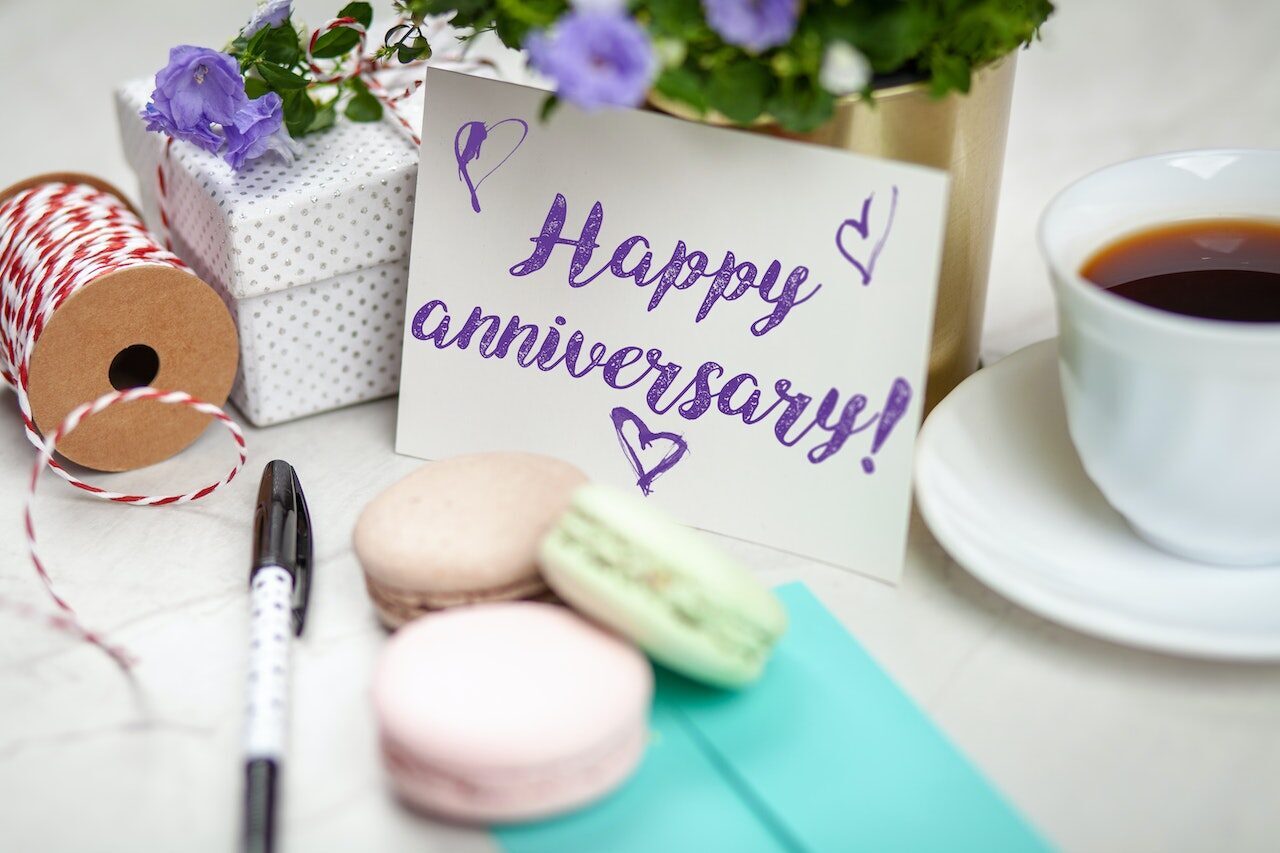

Anniversary milestone gift guidelines have been around for centuries, and are deeply rooted in history and tradition. These guidelines were created as a way to celebrate and honor the significant milestones in a relationship, and to symbolize the love, commitment, and growth that has been shared between two individuals.
The tradition of anniversary gift giving can be traced back to ancient Rome, where husbands would give their wives silver wreaths on their 25th wedding anniversary. This tradition evolved over time, with other materials being associated with different milestones. For example, wood was associated with the 5th anniversary, while diamonds were associated with the 60th.
Why Wreaths?
In ancient Rome, as mentioned, the exchange of silver wreaths on a 25th wedding anniversary was a common practice. This tradition was rooted in the belief that silver was a precious and durable material that symbolized the strength and longevity of a marriage.
In ancient Rome, marriages were seen as a partnership between two families, rather than just between two individuals. Marriages were arranged by the parents of the bride and groom, and were often based on practical considerations, such as wealth and social status. Despite the lack of romantic love in these arranged marriages, couples were still expected to honor and respect each other, and to build a strong and lasting partnership.
The exchange of silver wreaths on a 25th wedding anniversary was a way for husbands to honor and celebrate their wives, and to acknowledge the commitment and dedication that they had shown over the years. The silver wreath was a symbol of love, loyalty, and endurance, and was seen as a way to strengthen the bonds of a marriage.
Today, the tradition of anniversary gift giving continues, with couples exchanging gifts to celebrate the milestones in their relationship. While the materials associated with different anniversaries may have changed over time, the sentiment behind the tradition remains the same. Anniversary gift giving is a way to honor and celebrate the love and commitment between two individuals, and to reflect on the journey that has been shared.
In the 1920s, a list of traditional anniversary gift materials was created by the Jewelers of America, which provided a guideline for couples to follow. This list included materials such as paper, cotton, leather, and gold, which were associated with specific anniversaries.
Over time, the tradition of anniversary gift giving has evolved, with more modern and creative gifts being exchanged. However, the traditional guidelines have remained popular, as they provide a meaningful and symbolic way to celebrate the milestones in a relationship.
While the origins of anniversary milestone gift guidelines are rooted in tradition and history, they continue to be popular today as a way to celebrate and honor the love and commitment between two individuals. By selecting a gift that reflects the significance of a particular milestone, couples can create a meaningful and lasting memory of their relationship.
In addition to traditional materials, there are also specific flowers and gemstones associated with different anniversary milestones. For example, the rose is traditionally associated with the 15th anniversary, while the ruby is associated with the 40th.
Is This Just a Scheme to Make Jewelers Money?
The tradition of associating gemstones with different wedding anniversaries dates back centuries, with each gemstone being seen as a symbol of the milestone being celebrated. While some may view this tradition as simply a way for jewelers to make money, there is a deeper meaning and symbolism behind the use of gemstones.
Gemstones have been used throughout history as a way to symbolize important events and milestones. They are seen as precious and rare, and are often associated with qualities such as strength, love, and loyalty. Each gemstone has its own unique meaning and symbolism, and is thought to possess special powers and energies.
In the context of wedding anniversaries, gemstones are seen as a way to celebrate the strength and resilience of a marriage. Each anniversary is associated with a different gemstone, with the gemstone becoming more valuable and precious as the years go by.
For example, the 10th anniversary is traditionally associated with the diamond, which symbolizes strength, durability, and eternal love. The 25th anniversary is associated with the silver jubilee, which is celebrated with silver gifts and often involves the exchange of silver rings. The 50th anniversary is known as the golden anniversary, and is celebrated with gifts of gold jewelry or other golden items.
While gemstones and jewelry may be a part of anniversary celebrations, they are not the only way to celebrate these milestones. Many couples choose to celebrate with experiences, such as a special trip or a romantic dinner, or with personalized gifts that have special meaning and significance.
Ultimately, the decision to incorporate gemstones or jewelry into anniversary celebrations is a personal one. Whether you choose to follow traditional guidelines or create your own unique traditions, the most important thing is to honor and celebrate the love and commitment between two individuals.
While these guidelines are a popular way to celebrate anniversaries, they are not set in stone, and many couples choose to deviate from them in favor of more personal and unique gifts. Some couples may choose to exchange experiences or activities, such as a weekend getaway or a cooking class, rather than a material gift.
Regardless of the gift chosen, the most important aspect of an anniversary celebration is the love and commitment shared between two individuals. An anniversary is a chance to reflect on the journey that has been shared, and to look forward to the future with hope and anticipation. It is a time to show love, appreciation, and gratitude for the bonds that have been formed, and to celebrate the strength and resilience of a loving relationship.
Anniversary milestone gift guidelines have been around for centuries, and are deeply rooted in tradition and history. These guidelines provide a meaningful and symbolic way to celebrate the milestones in a relationship, and to reflect on the journey that has been shared. The most important thing is to show love, appreciation, and gratitude for the bonds that have been formed, and to celebrate the strength and resilience of a loving relationship.